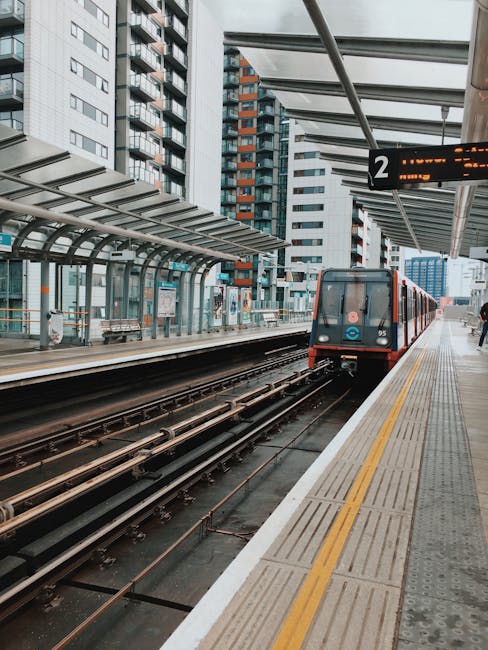
East Croydon station pickup guide for Croydon removals
If you are arranging a move around Croydon, the pickup point at East Croydon station can be a real lifesaver. It is central, familiar, and usually easier to explain to a removals team than a side street with no obvious landmark. But it also comes with the usual station-side headaches: traffic, buses, taxis, pedestrians, impatient cyclists, and not much room for error. This guide to the East Croydon station pickup guide for Croydon removals breaks the process down in plain English so you can plan a smoother collection, avoid unnecessary waiting, and keep your move feeling organised rather than chaotic.
Whether you are moving from a flat, picking up boxes from storage, or coordinating a small van for a last-mile handover, the trick is the same: know where to meet, how long the stop might take, what to load first, and what to do if timing slips. Simple enough in theory. A bit less simple on a wet Wednesday at 5pm.
Below, you will find practical pickup advice, timing tips, comparison options, compliance notes, and a realistic checklist you can use on moving day.
Why East Croydon station pickup guide for Croydon removals Matters
East Croydon is one of those places where a move can either start smoothly or become a little messier than expected. Station pick-ups matter because the area is busy, space is limited, and small timing issues have a habit of turning into bigger ones very quickly. If your removals team is arriving at the same moment as a train crowd, bus flow, or rush-hour traffic, even a straightforward collection can feel rushed.
For local moves, the pickup point often acts as a meeting anchor. That means your team, driver, and anyone helping you move all know the same reference point. No confusion, no wandering around side streets with a sofa in the rain, and no messages that say, "I'm here somewhere near the station." We have all seen how that ends. Usually with a sigh.
This is also where planning becomes valuable. If you are using a man and van service or a small-team move, the station pickup needs to be timed so loading is quick and controlled. If you are moving larger items, or combining pickup with storage, a little preparation goes a long way. That is especially true if you are connecting the station stop with removals and storage, because every extra minute of uncertainty gets felt twice: once at pickup and again at drop-off.
The real point is not just convenience. It is about reducing friction. A good pickup plan helps protect your belongings, your schedule, and your patience. And frankly, that last one is underrated.
How East Croydon station pickup guide for Croydon removals Works
The pickup process is simple when you strip it back. You agree a meeting point, choose a realistic time window, confirm the vehicle type, and make sure the items are packed and accessible before the van arrives. The hard part is the detail: where exactly to stop, how long loading will take, and what happens if the station area is busier than expected.
In practical terms, a station pickup usually works best as a short, controlled handover rather than a long loading session. Think of it as a clean transfer. The removals team arrives, checks the items, loads them efficiently, and moves on before congestion builds. This is one reason why local removals and smaller transfers tend to fit the station environment better than open-ended moves with lots of unpacked loose items.
A reliable pickup also depends on packing quality. Boxes should be closed, labelled, and manageable. Larger furniture should be protected and ready to move. If you need help getting fragile or awkward items prepared, packing services can save a lot of last-minute stress. Truth be told, the difference between a smooth pickup and a frustrating one is often whether the first box is ready before the van doors open.
Good operators will usually factor in access, loading time, and any constraints around the station area. They will also ask sensible questions: how many items, how many floors, whether there is lift access, and whether anything is bulky, delicate, or time-sensitive. That is not paperwork for the sake of it. It is how a move avoids becoming guesswork.
Key Benefits and Practical Advantages
A well-planned East Croydon station pickup gives you more than convenience. It can make the whole move feel calmer, more efficient, and easier to coordinate with other parts of the day.
- Less waiting around: a clear meeting point reduces delays and confusion.
- Faster loading: packed items and a short stop keep the van moving.
- Better control over fragile items: items are handled once, not repeatedly shuffled.
- Cleaner scheduling: it is easier to fit a station pickup into a moving chain with storage, home delivery, or office transfer.
- Reduced disruption: especially useful where traffic, footfall, and time pressure all collide.
There is also a psychological benefit, which people sometimes overlook. When the pickup is planned properly, the day feels manageable. You are not trying to improvise while standing on a pavement with tape hanging from your pocket and someone asking where the kettle went. It is just calmer.
This matters even more if your move involves temporary storage. A station pickup can connect neatly with short-term storage for a few days or weeks, or with self storage if your move-in dates do not line up. For some households, that flexibility is the difference between a stressful overlap and a neat handover.
Who This Is For and When It Makes Sense
This guide is useful for anyone moving near East Croydon station, but it is especially relevant if you are dealing with limited access, a busy schedule, or a small vehicle collection. A station pickup is often the right choice for:
- people moving from flats or apartments with tighter access
- students leaving accommodation with a compressed moving window
- office teams shifting a small amount of equipment or files
- families who need a reliable local meeting point
- people using storage as part of a staged move
- anyone who wants a simple handover rather than a full door-to-door collection
If you are moving a one-bedroom flat, a few rooms of furniture, or a handful of boxes, a smaller vehicle and a careful pickup plan are often enough. For that kind of work, small removals can be a practical fit. If you are shifting a home's worth of furniture, appliances, and awkward items, you may need a more comprehensive house removals approach instead.
It also makes sense for business users. A manager coordinating documents, archive boxes, or compact furniture can often benefit from business storage or document storage alongside a station pickup. Same principle, different items. Keep it orderly, keep it traceable, keep it moving.
Step-by-Step Guidance
Here is a practical process you can follow without overcomplicating the day.
- Confirm the exact meeting point. Choose a landmark that both the driver and the customer will recognise. A station frontage, a nearby side road, or a pre-agreed visible point is usually better than "near the station somewhere."
- Set a realistic pickup window. Leave enough room for traffic, station footfall, and small delays. If you are travelling at peak times, build in extra breathing space.
- List what is being collected. A quick item list helps the driver plan space and the loading order. It also reduces the chance of forgotten items sitting behind a door at home.
- Prepare items in advance. Boxes should be sealed, labelled, and stacked safely. Furniture should be dismantled where sensible, with fixings kept together in a labelled bag.
- Protect fragile and valuable items. Use proper wrapping, padding, and secure placement. If needed, book support from furniture storage or ask about secure holding for items you do not want to rush.
- Keep access clear. Make sure loading does not involve a long carry, blocked hallway, or a chain of objects around the door. You want one smooth route from handover to van.
- Load in a sensible order. Heavy items first, fragile items last, and anything needed immediately should be the easiest to reach.
- Check everything before departure. Do a final sweep. Under beds, behind doors, in cupboards. The small overlooked items are always the ones people miss.
A simple rule helps here: if it would be awkward to explain later, check it now. That includes keys, chargers, paperwork, spare screws, and the "where did we put that lamp?" moment that seems to happen to every move at least once.
Expert Tips for Better Results
The best pickup jobs are not necessarily the biggest or the most expensive. They are the best prepared. A few small habits can improve the whole experience.
First, label by destination or priority. If some items are going straight to a home, some to storage, and some to an office, mark them clearly. This is especially useful when a move includes removals and storage, because mixed loads are where mistakes tend to happen.
Second, keep one essentials box separate. Kettle, basic toiletries, phone chargers, documents, and a change of clothes. Nothing glamorous, but it saves you later. You do not want to spend your first evening searching through six identical boxes for a toothbrush.
Third, think about the vehicle shape, not just the size. Sometimes a well-packed smaller van is easier at the station than a larger vehicle that cannot stop neatly. A driver familiar with man and van work will usually plan for that reality rather than fight it.
Fourth, avoid overfilling boxes. This is a classic mistake. A box that is technically sealed but too heavy to lift safely is not a win. It is just a future problem with handles. Use enough boxes, not fewer at any cost.
Fifth, keep communication short and specific. "We're by the main entrance, blue van, two sofas and six boxes" is much better than long text threads during loading time.
And a small human tip: if you can do your final checks in daylight, do it. At dusk, everything looks slightly more final than it really is. It tricks the eye a bit.
Common Mistakes to Avoid
Most problems around station pickups are predictable. The good news is that means they are avoidable.
- Vague meeting instructions: "Outside East Croydon" is too loose. Be more precise.
- No allowance for traffic: station-adjacent routes can slow down unexpectedly.
- Unpacked loose items: lamps, bags, cables, and random kitchen bits create delays.
- Fragile items not marked: if it needs care, say so before the van is loaded.
- Too much to move in one stop: if the collection is oversized, split it or use a fuller removals plan.
- Forgetting about access constraints: stairs, lifts, narrow corridors, and time restrictions all matter.
A very common one is assuming the pickup will "just work out." Sometimes it does. Often it does not. That little gamble is where moving-day stress starts. Better to be slightly overprepared than to discover you needed a second trip after the driver has already merged back into traffic.
Tools, Resources and Recommendations
You do not need fancy equipment to handle a station pickup well, but a few practical tools make a big difference:
- marker pens and labels for room or destination tagging
- strong tape for sealing boxes properly
- blankets and wraps for furniture protection
- gloves and sturdy footwear for safer handling
- a phone charger and power bank for day-of communication
- a basic item list so nothing gets forgotten in the rush
For larger or multi-stage moves, it is worth comparing support levels before the day arrives. Some people only need a single collection. Others need a package that includes packing, transport, and storage. Services such as removals, flat removals, and household storage can be combined in ways that keep your move flexible. For offices, office removals and office storage are often worth considering if you are shifting equipment in phases.
If you want to understand pricing or organise a move with less back-and-forth, it can also help to review pricing and quotes before you book. Not because every move is identical, but because clarity up front saves hassle later.
Law, Compliance, Standards, or Best Practice
For station-side pickups, the most important thing is to stay within sensible moving practice and follow any local restrictions that apply to stopping, loading, or parking. You do not need to memorise a rulebook to get this right, but you do need to plan responsibly.
Best practice usually means:
- keeping stops short and purposeful
- avoiding obstruction to pedestrians, buses, and other traffic
- using safe lifting methods and suitable equipment
- packing items so they can be handled without damage
- making sure fragile loads are properly secured in transit
For moving teams, health and safety should never be an afterthought. A sensible provider will have a clear approach to handling, loading, and transport. If you are comparing providers, it is worth reading a company's health and safety policy and insurance and safety information, because those pages tell you how seriously the business treats risk and responsibility.
There are also practical expectations around transparency and customer care. Clear terms, secure payment handling, and fair complaints procedures all matter, even if you never need them. A business that is open about its terms and conditions and payment and security tends to be easier to deal with when timing is tight. That is just sensible.
Options, Methods, or Comparison Table
Not every pickup needs the same approach. Here is a simple comparison to help you choose the right method.
| Method | Best for | Strengths | Watch out for |
|---|---|---|---|
| Station meeting point pickup | Small to medium collections near East Croydon | Easy to find, quick to coordinate, good for local moves | Can be affected by traffic and limited stopping time |
| Doorstep collection | Homes or flats with direct access | Less carrying, clearer handover | Not always possible near busy or restricted streets |
| Pickup plus storage transfer | Moves with date gaps or phased delivery | Flexible, reduces pressure on move-in day | Requires more planning and item labelling |
| Full removals service | Larger home or office moves | More complete support, usually less lifting for you | May be more than you need for a small collection |
If your move is modest, a station pickup with small removals support may be enough. If the move is bigger or the access is awkward, a fuller service can save time and stress. It really depends on the shape of the job. No two moves are quite the same, and that is fine.
Case Study or Real-World Example
Here is a realistic example. A couple moving from a flat near Croydon needed to clear their place before the next tenancy started, but their new home was not ready for another week. They arranged a station pickup near East Croydon, sorted the essentials into one box, and had the rest packed for storage. The van met them at a pre-agreed point, the handover took less time than expected, and the non-essentials went straight into long-term storage for a short spell.
What made the difference? Three things: clear labels, a sensible item list, and a realistic time slot. They also avoided the classic mistake of trying to move every single thing on the same day. That alone saved them a lot of pressure. By the time the last box was loaded, the mood had shifted from rushed to relieved, which is exactly what you want.
A similar approach works for office moves too. A business relocating a few desks, chairs, and archive boxes might combine a station pickup with office removals and a secure holding plan. Less drama. More control.
Practical Checklist
Use this checklist the day before and again just before collection.
- Confirm the exact pickup point and time window
- Share the driver contact details if available
- Label all boxes by room or destination
- Wrap fragile items and secure loose parts
- Keep keys, documents, and chargers in one safe place
- Clear the route from the property to the vehicle
- Check for lifts, stairs, or access limits
- Separate items going to storage from items going to the new address
- Do a final sweep of cupboards, drawers, and under furniture
- Keep water, phone battery, and a calm head. Yes, that too.
Expert summary: the smoothest station pickups are the ones that feel boring. And that is a compliment. Clear timing, tidy packing, sensible vehicle choice, and a specific meeting point all reduce risk. If you want the move to feel easy, build around those basics and do not overcomplicate the rest.
Get a free quote today and see how much you can save.
Conclusion
An East Croydon station pickup works best when it is treated as a short, well-planned handover rather than a guess-and-go collection. The station location is useful because it is central and familiar, but it also demands clear timing, tidy packing, and practical communication. Get those parts right and the move becomes much easier to manage.
For smaller local jobs, a station pickup can be the simplest way to connect home, storage, and transport without wasting the day. For larger jobs, it can still be part of a wider removals plan. Either way, the goal is the same: keep things moving, keep them safe, and keep the stress low.
That is usually what people remember afterwards, not the van, not the tape, but the feeling that the whole thing was handled properly. And honestly, that matters more than it sounds.
Frequently Asked Questions
Where is the best pickup point near East Croydon station for removals?
The best pickup point is usually a clear, easy-to-find landmark that both the driver and customer can identify quickly. Avoid vague instructions. A specific frontage or nearby meeting point works better than saying "near the station."
How much time should I allow for an East Croydon station pickup?
Allow enough time for traffic, station footfall, and loading. For small jobs it may be short, but it is safer to build in a buffer rather than schedule everything tightly.
Can I use a station pickup for a flat move?
Yes, especially for flats with limited access or when you are moving a modest amount of furniture. If the move is larger, a full flat removals service may be more practical.
What should I pack first for a station pickup?
Start with non-essential items, then label and separate fragile items, essentials, and anything going into storage. Keep the essentials box accessible so you are not searching for basics later.
Is a man and van service suitable for East Croydon station collections?
Yes, it often is. A smaller vehicle can be easier to manage around busy station areas, especially for local moves and compact loads.
What if my items need to go into storage after pickup?
That is common. Many people combine a pickup with short-term storage or another storage option when move-in dates do not line up.
How do I avoid damage during loading?
Use strong boxes, proper wrapping, and sensible stacking. Fragile items should be marked clearly, and heavy items should stay low and secure in the vehicle.
What happens if traffic delays the pickup?
Good communication matters most. Confirm timings early and keep in touch if the driver or customer is running late. A small delay is manageable if everyone knows what is happening.
Do I need to read terms and safety information before booking?
It is wise to do so. Checking terms and conditions, health and safety, and insurance and safety details helps you understand how the service works.
Is this guide useful for office moves too?
Yes. Office collections near the station often benefit from the same planning approach, especially if you are moving files, small furniture, or equipment in phases. In that case, office storage can also be useful.
What is the biggest mistake people make with station pickups?
The biggest mistake is being too vague about the meeting point and too optimistic about timing. A few extra minutes of planning saves a lot of noise later. Little things add up quickly.
How do I know whether I need removals or storage as well?
If your dates do not line up, or you cannot move everything at once, storage is often the sensible bridge. If you are unsure, a combined removals and storage approach usually gives the most flexibility.
If you are planning a move around East Croydon, keep it simple, keep it clear, and give yourself a little breathing room. That alone can turn a busy day into one that feels under control.